
by Guy Noffsinger
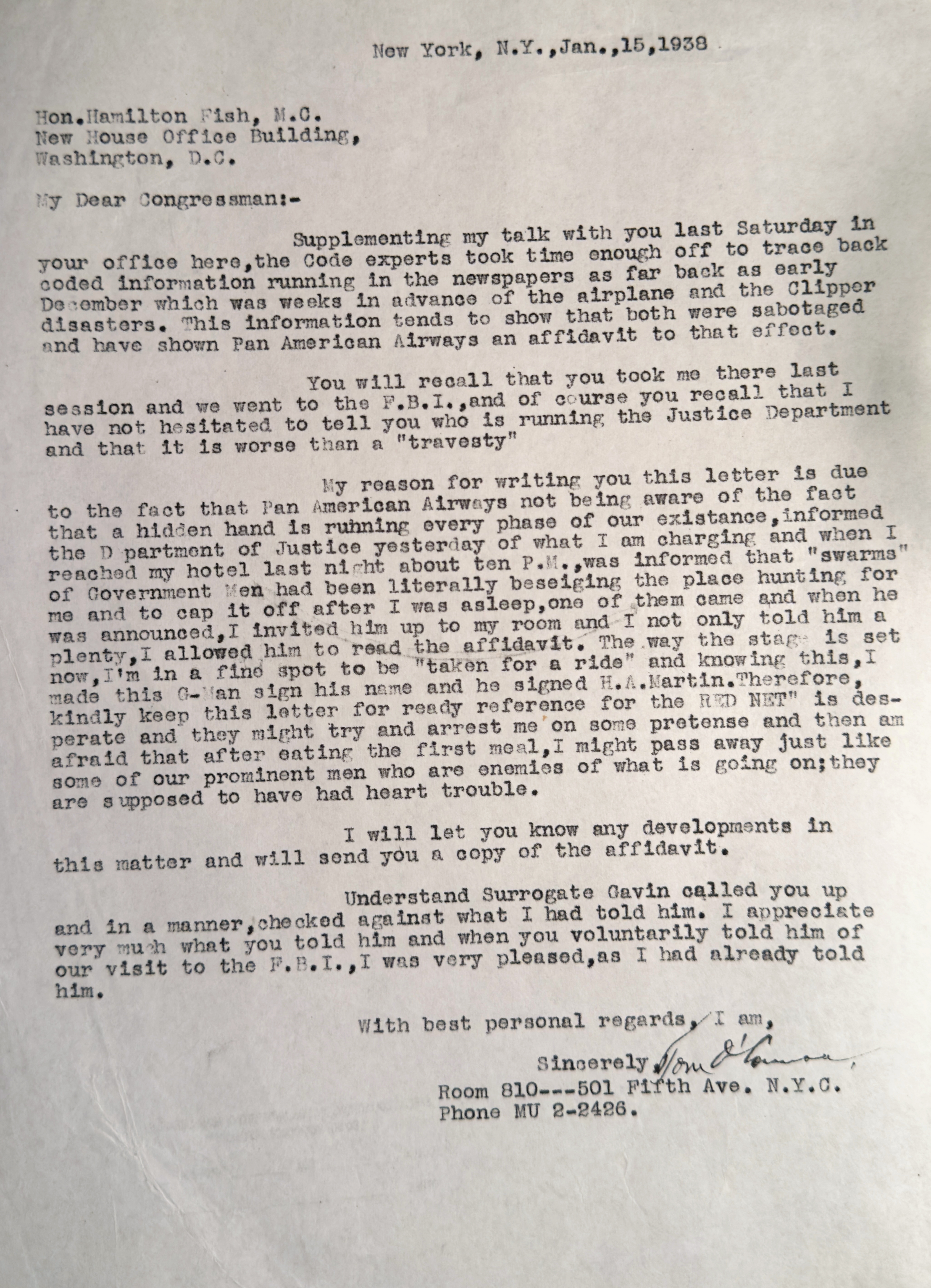
Presented here is one of many examples of some of the items we review in our never-ending efforts to connect small dots in the hopes of showing us a wider picture of how life was like in the pre-war years of the United States. It is a letter from Tom O’Connor writing to Congressman Hamilton Fish III, a prominent, highly controversial right-wing politician from New York known for his intense anti-communist stances. In the 1930s, Tom O’Connor was a New York City-based anti-communist political organizer, political strategist, and informant who worked as an independent operator from his midtown office.
He specialized in digging up alleged back-channel information and funneling sensational claims to far-right, anti-communist politicians who were eager to find signs of government subversion. O’Connor acted as an independent broker or informant who gathered “intelligence” for right-wing political figures. He often coordinated with specialized right-wing organizations like the authors of the Red Network (a famous 1930s directory that blacklisted prominent Americans as suspected communist sympathizers).
As seen in the memo, he had direct access to powerful Washington figures like Congressman Hamilton Fish III, who chaired early congressional committees investigating communist infiltration in the United States. O’Connor also maintained backchannels with local judges (like Surrogate Gavin) and federal agents. Operating out of Room 810 in the Astor Trust Building (501 Fifth Ave), his job was to feed tips, draft affidavits, and build conspiratorial narratives for politicians to use during public hearings and crackdowns.
O’Connor was not a famous elected official or a high-ranking federal director. He was simply a behind-the-scenes political operator. Because his claims about the Pan American Airways sabotage and deep-state food poisoning plots were quickly judged by the FBI to be unverified paranoia, he never became a prominent historical figure. He remains known today strictly through the declassified federal files and congressional mail archives that preserved his letters. [1]
Why this letter peaked my interest and research was that just four days before this letter was written, a Pan American Airways Sikorsky S-42B flying boat named the Samoan Clipper exploded in mid-air near Pago Pago, American Samoa. The disaster killed all seven crew members aboard. Among them was Captain Edwin Musick, one of the most famous and celebrated pioneering aviators in the world at the time. The plane developed an oil leak shortly after takeoff. While the crew was dumping heavy fuel to lighten the aircraft for an emergency landing, the vapor accidentally ignited, causing a catastrophic explosion. Because the Samoan Clipper crashed on January 11 and Tom O’Connor typed his memo on January 15, the disaster was breaking front-page news across the country. O’Connor took this real-world tragedy, combined it with earlier 1937 aviation incidents, and spun it into a Japanese conspiracy theory. He used the shock of Captain Musick’s sudden death to convince Congressman Fish that a “hidden hand” who he believed to be Imperial Japan was actively sabotaging American planes. This theory, which actually does have real evidence in other Pan Am activities of the time, however, is very subjective when it comes to the Samoan Clipper incident.
While O’Connor’s sabotage theories were dismissed as paranoia, the physical mystery of the crash took nearly a century to solve. Most recently to much public interest, the July 2026, deep-sea explorers utilizing autonomous underwater drones finally located the wreckage of a missing Pan Am sister ship, the Clipper Endeavour, sitting thousands of feet beneath the ocean floor. This is something we also hope someday to do for the fifteen passengers and crew of the Hawaii Clipper.
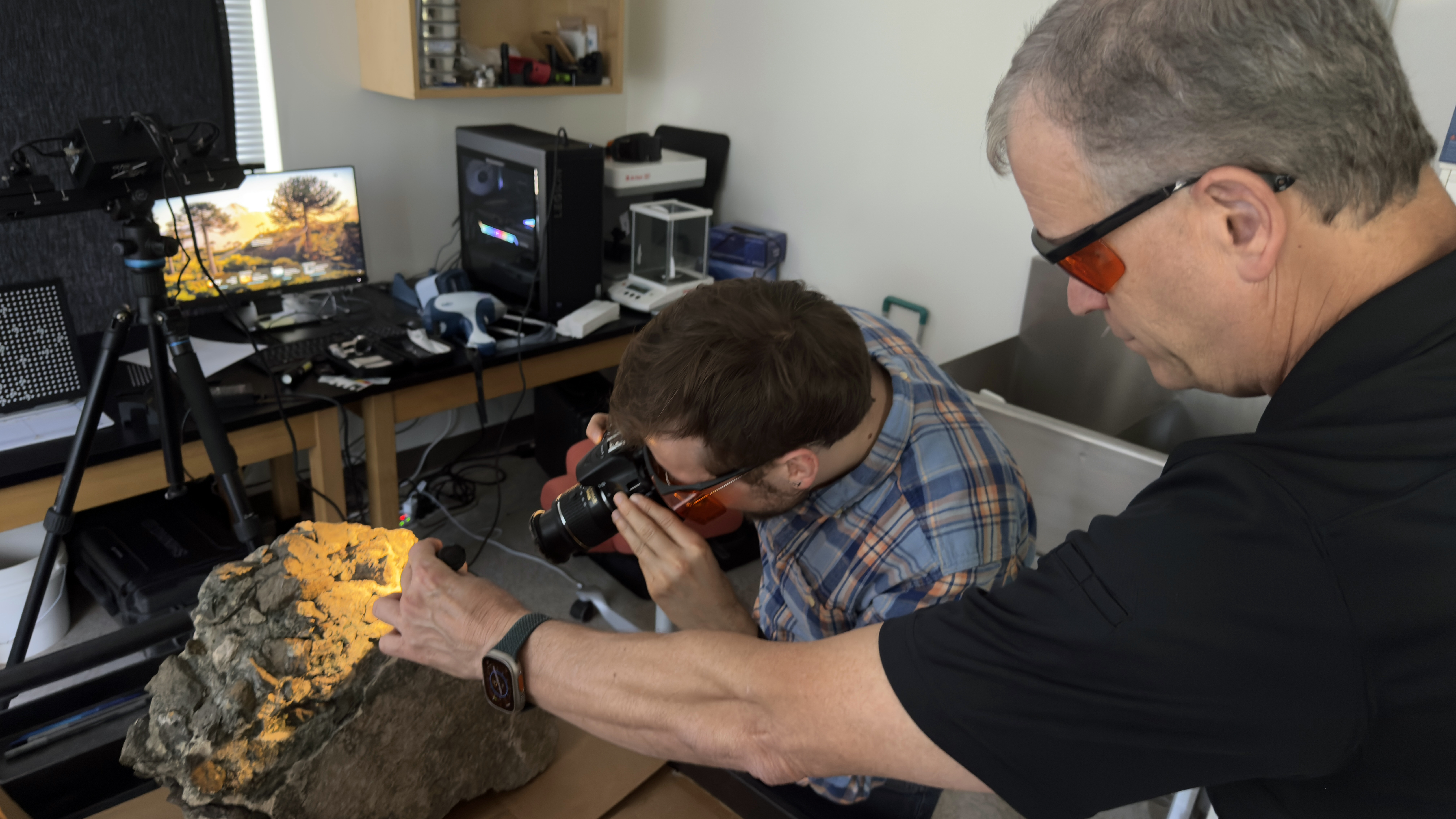
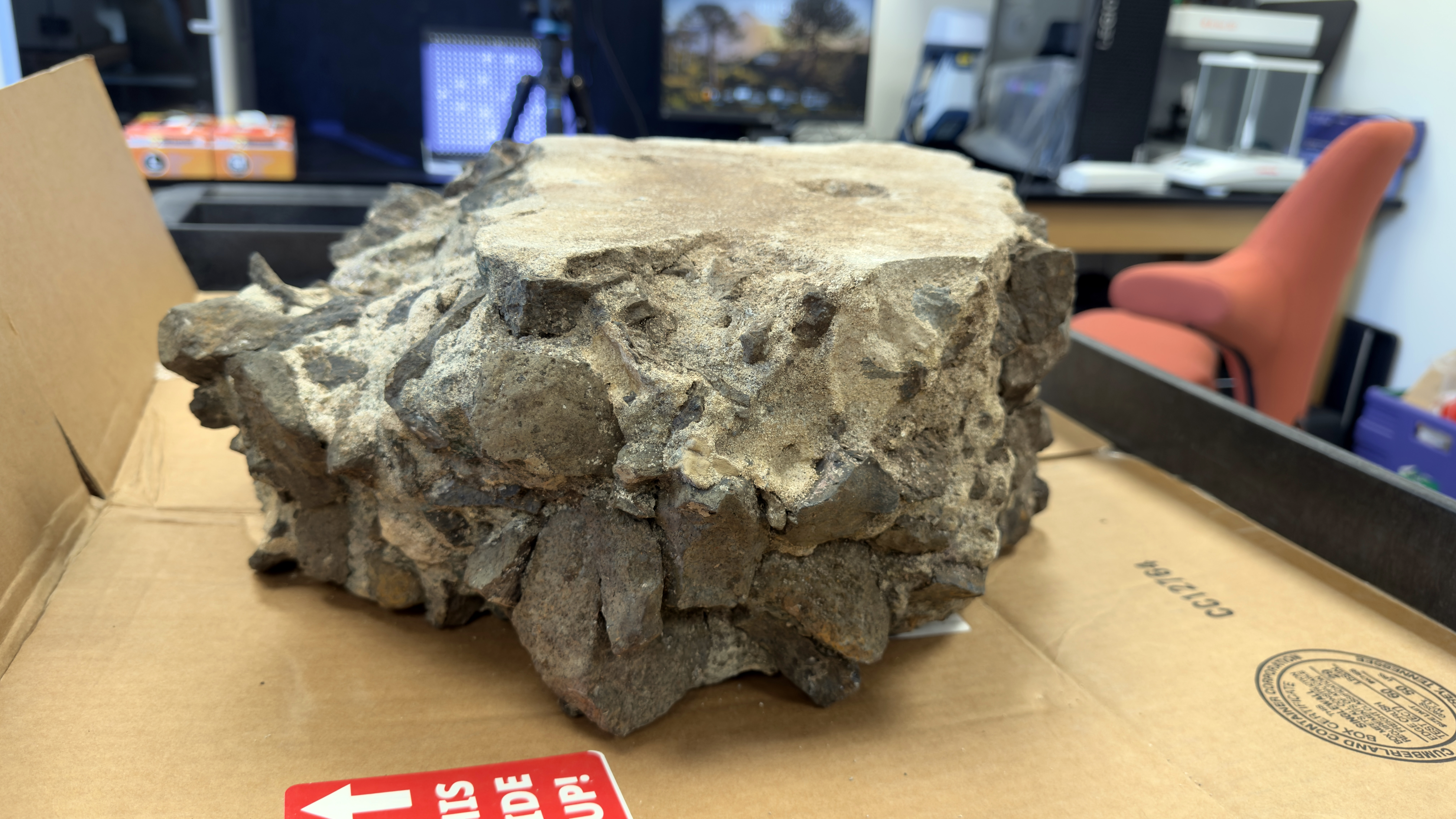
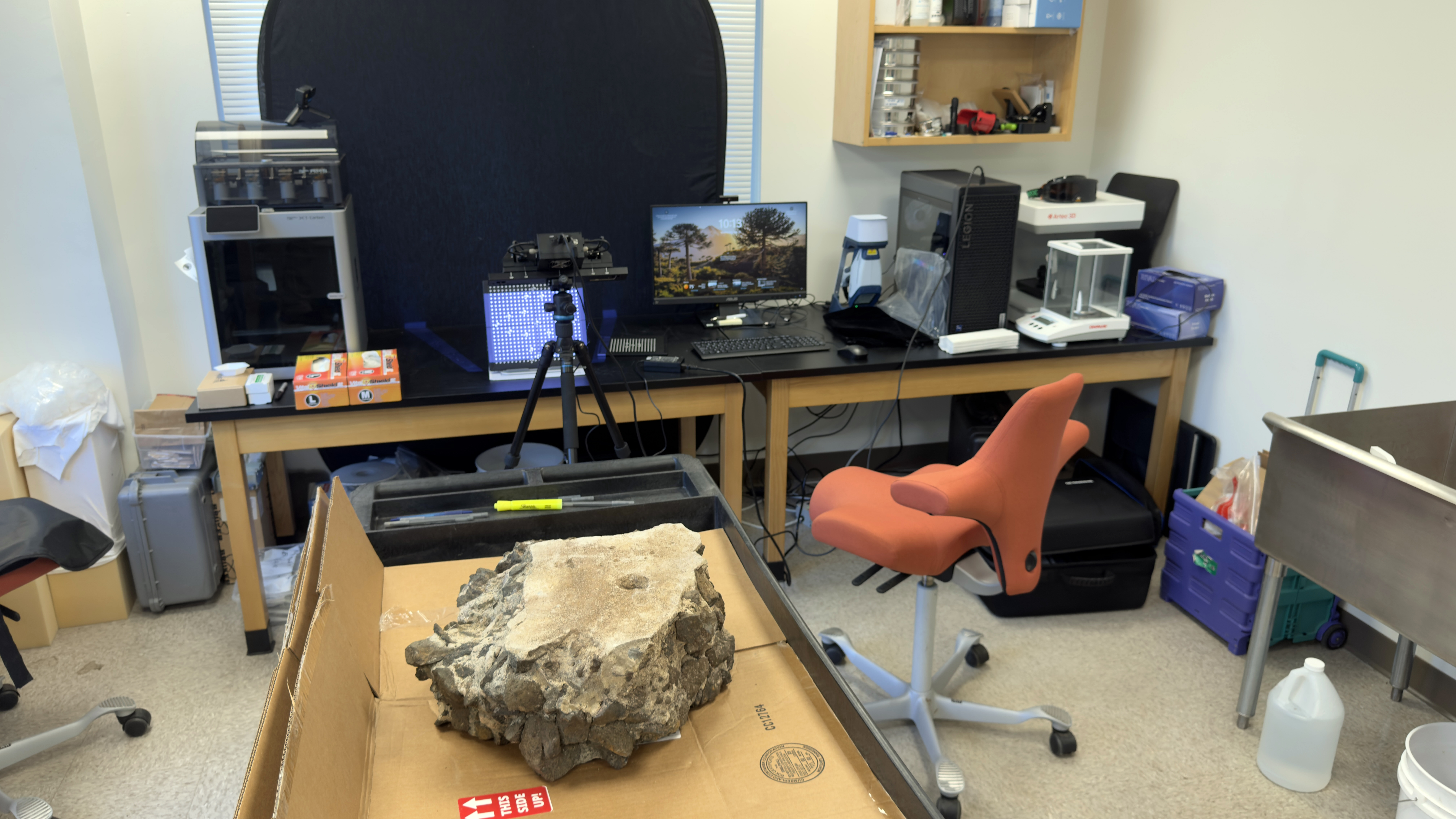
Here are some recent photos taken from a university research lab currently assisting us by conducting non-destructive testing of the concrete slab portion to localize the overwhelming DNA indications seen in multiple previous tests. We look forward to sharing the details after they are reviewed and verified.
Thank you again for being on this journey as the work continues.
Regards,
Guy, Jeff, Jim, Stephen, Steve and team.
 The Lost Clipper - The mission to bring 15 forgotten Americans home
Thank you for the update.I congratulate you on your perseverence. Keep up your excellent work.
Walter Gomez
.
LikeLike
greetings! I found this message at the National Archives in Maryland and I don’t recall it being in that collection. Thanks though for the question.
warm regards,
guy
LikeLike
Guy, did this by chance come from the Wackenhut Corporation collection? I’ve always wanted to go to NY and read it in person..
LikeLike